

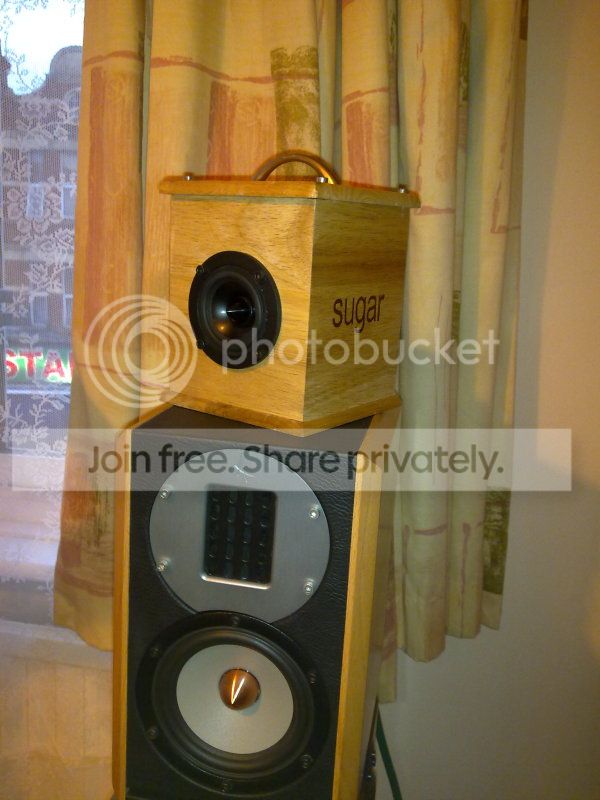
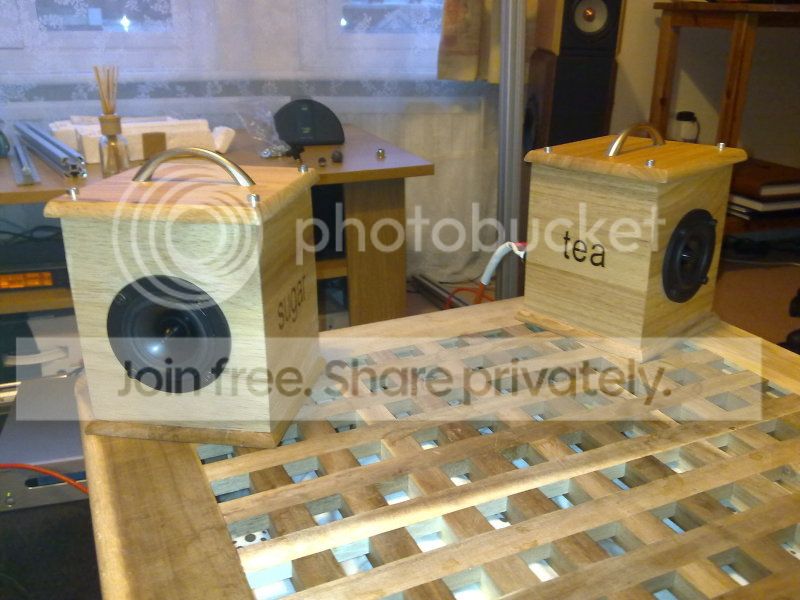
My wife wanted some speakers in the kitchen so I thought I'd make use of some 3" Dayton RS75-4 full-range drivers I had on the shelf. I went to the local pound shop type place and found some nice 1.1L tea and sugar wooden boxes for £4.50 each.
A quick WinISD simulation showed that the drivers would reach down to 90Hz with a small port.
So I set about making something
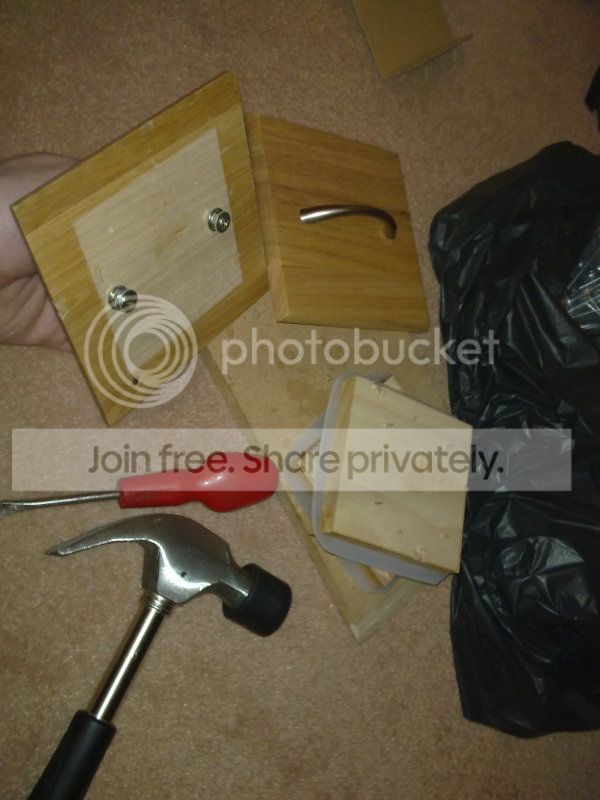
Firstly I wanted to remove the wood lump from the lid to get as much internal volume as possible. It will be screwed on later anyway so no need for the plastic seal.
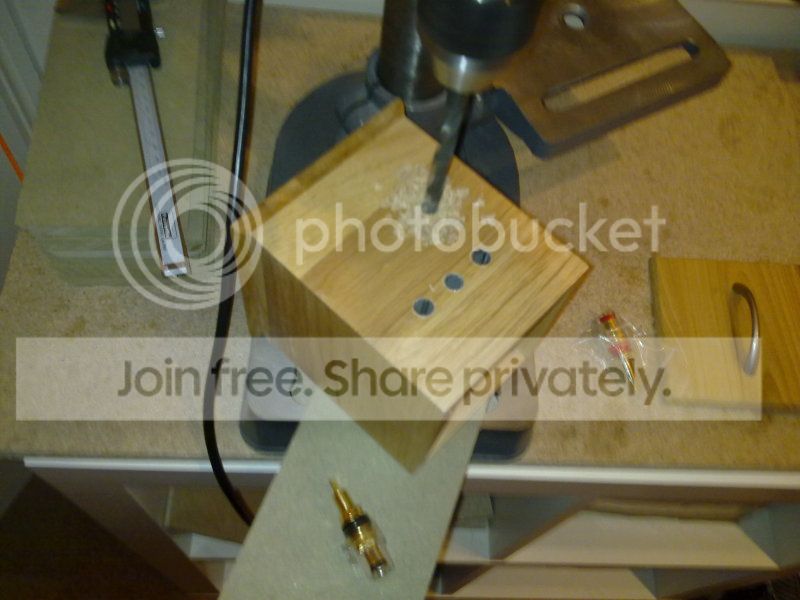
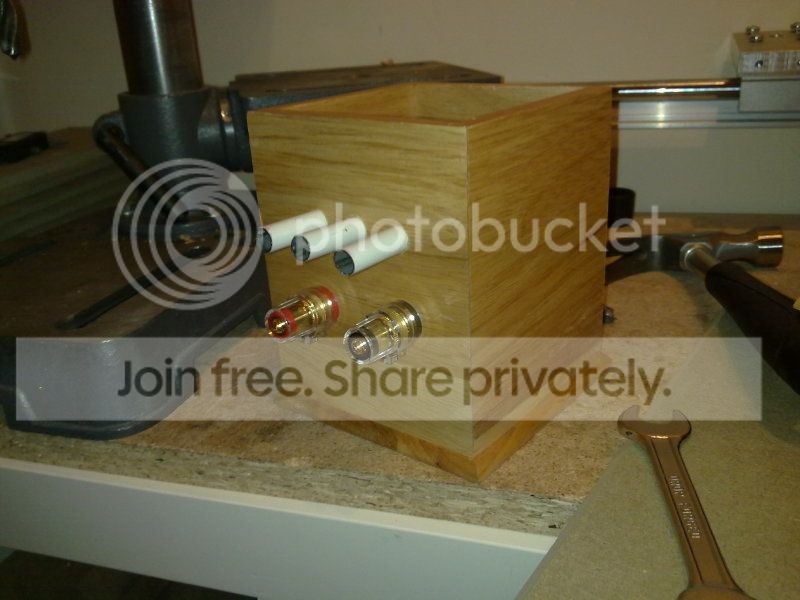
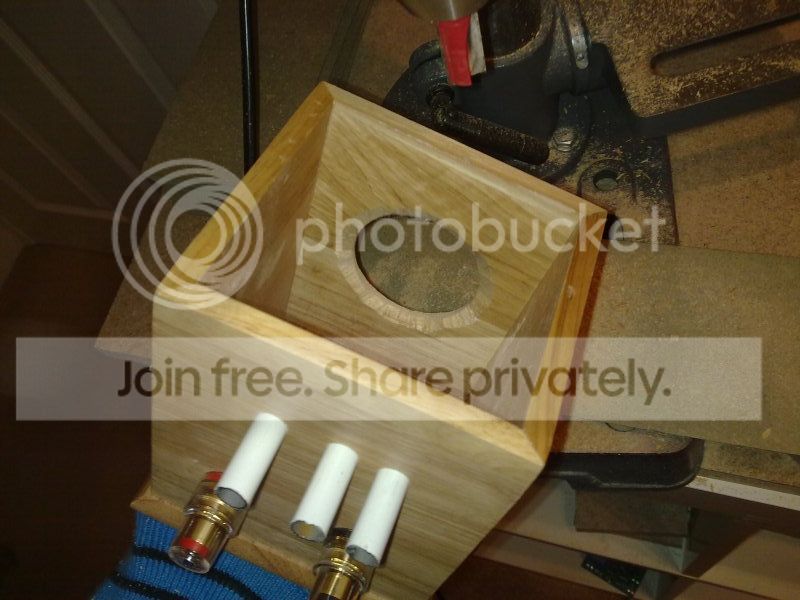
I had some 8mm ID steel tube left over from a curtain rail so used that as porting. Since it has a small inside diameter I used 3 of them. WinISD showed they needed to be 4cm long each. Tuning at 100Hz.
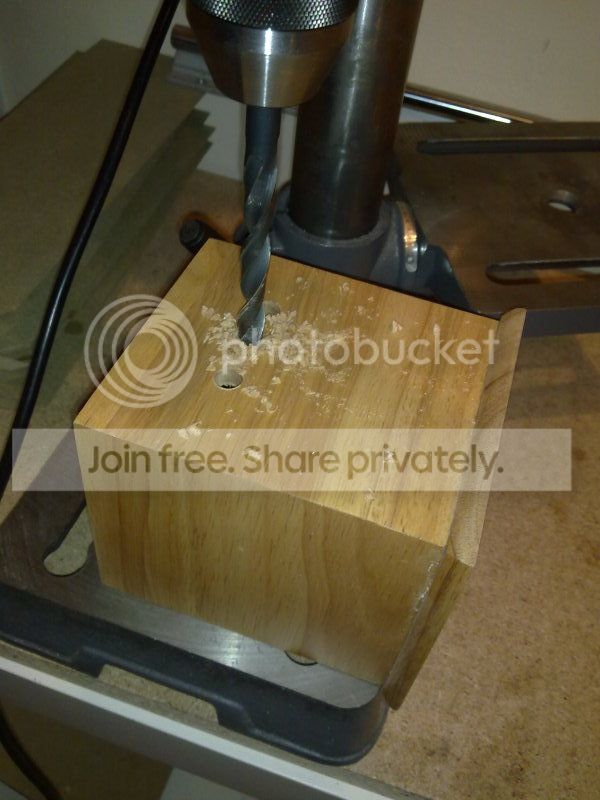
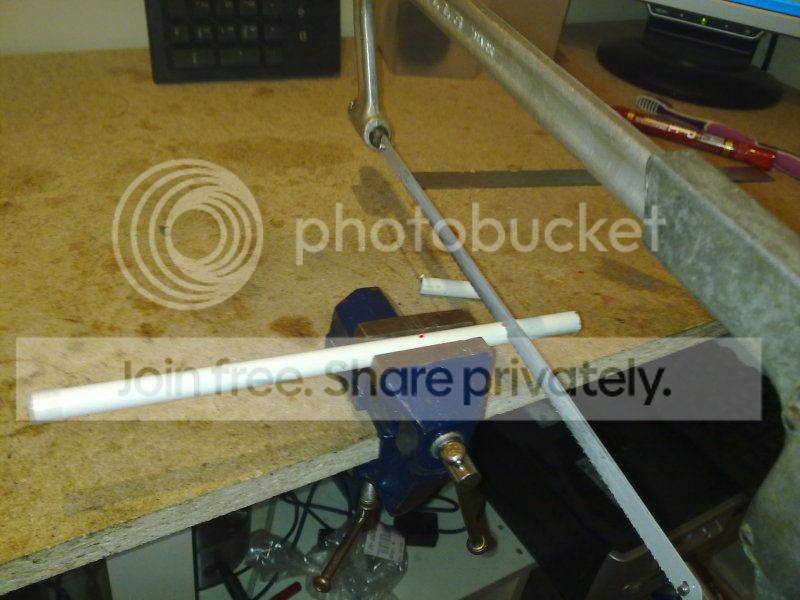
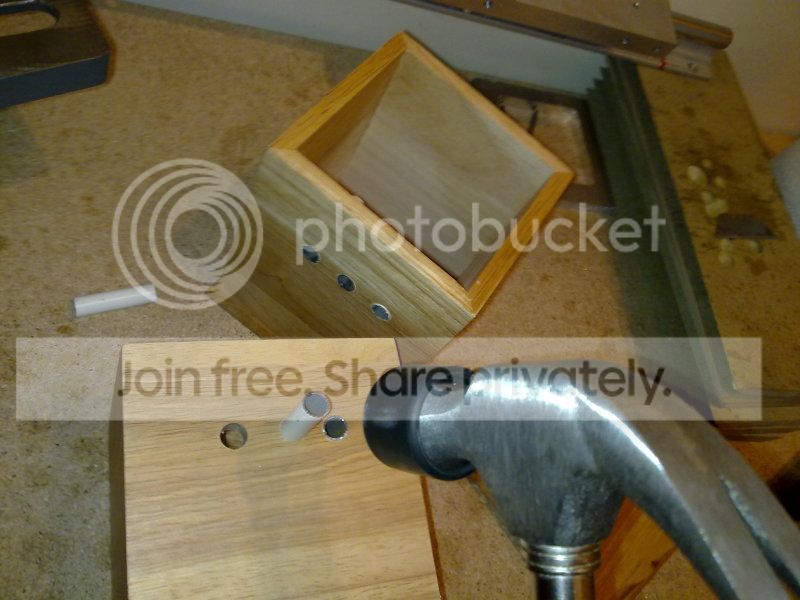
Ports made, fit connectors.
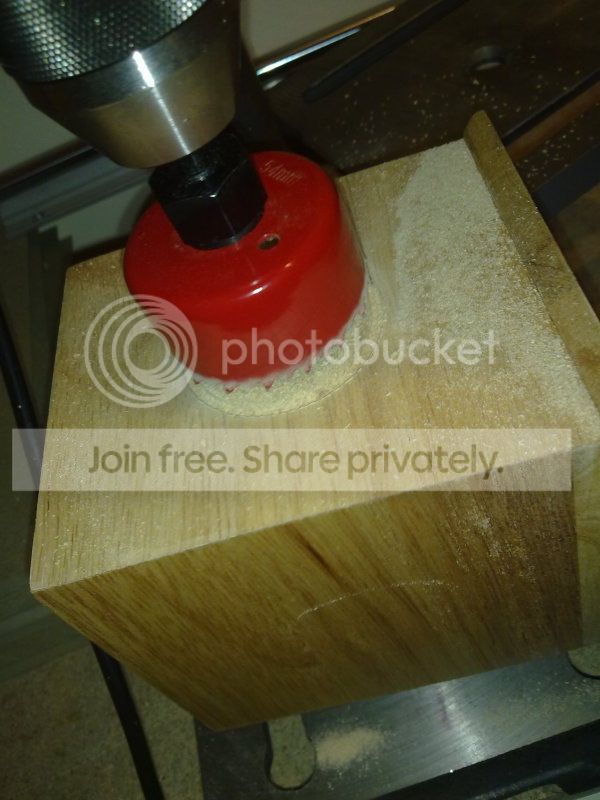
This hole cutting saw was nearly the right size, and with some liberal sanding the driver poped in nicely.
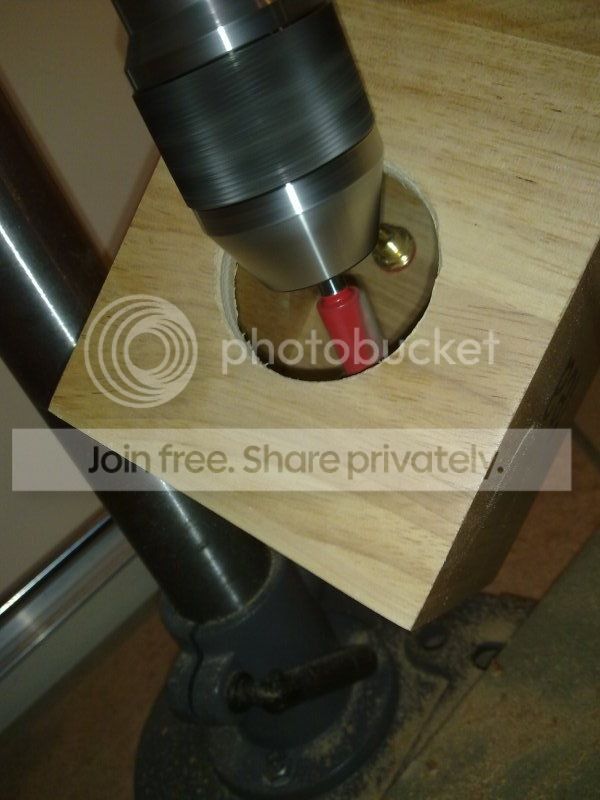
However, the thickness of the wood blocked the sound from the back of the driver so I needed to chamfer that away a bit. Usually this could be done when the panel is not glued in to a box yet, but no such easy solution here. So I put a router bit in the pillar drill and held the box at an angle to get a chamfer on the back of the panel Crude but it worked.
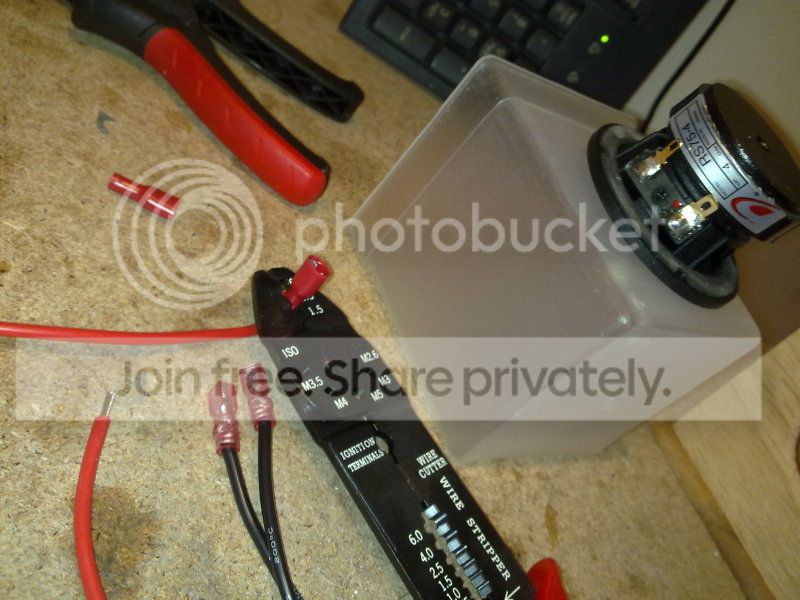
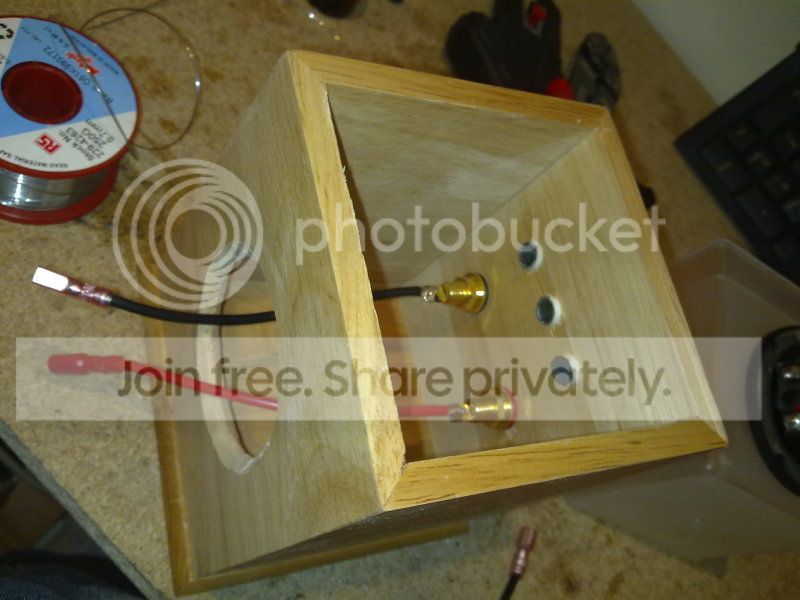
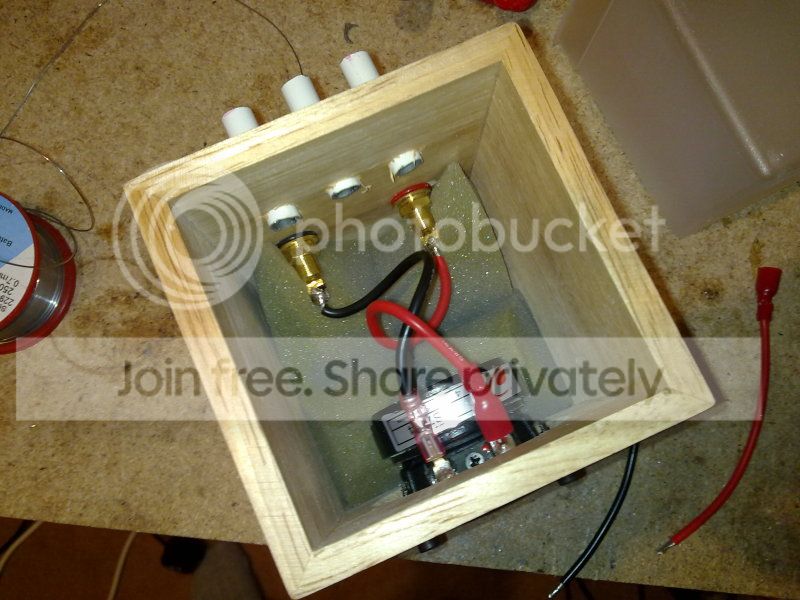
Finally, crimp and solder the wires up to the connectors and put some stuffing in the box.
Seal the lid with some screws and we are finished
A quick WinISD simulation showed that the drivers would reach down to 90Hz with a small port.
So I set about making something
Firstly I wanted to remove the wood lump from the lid to get as much internal volume as possible. It will be screwed on later anyway so no need for the plastic seal.
I had some 8mm ID steel tube left over from a curtain rail so used that as porting. Since it has a small inside diameter I used 3 of them. WinISD showed they needed to be 4cm long each. Tuning at 100Hz.
Ports made, fit connectors.
This hole cutting saw was nearly the right size, and with some liberal sanding the driver poped in nicely.
However, the thickness of the wood blocked the sound from the back of the driver so I needed to chamfer that away a bit. Usually this could be done when the panel is not glued in to a box yet, but no such easy solution here. So I put a router bit in the pillar drill and held the box at an angle to get a chamfer on the back of the panel Crude but it worked.
Finally, crimp and solder the wires up to the connectors and put some stuffing in the box.
Seal the lid with some screws and we are finished


